Craft · May 2026
Why Handmade Still Matters
In an age of automation, the value of the human hand has never been clearer.
A machine can copy a shape perfectly. It cannot leave a fingerprint.
We live in the most automated moment in history, when almost anything can be produced faster, cheaper, and more uniformly than a person could manage. And yet the objects people treasure most are rarely the most perfect ones. They are the ones that were made.
The warmth of the hand
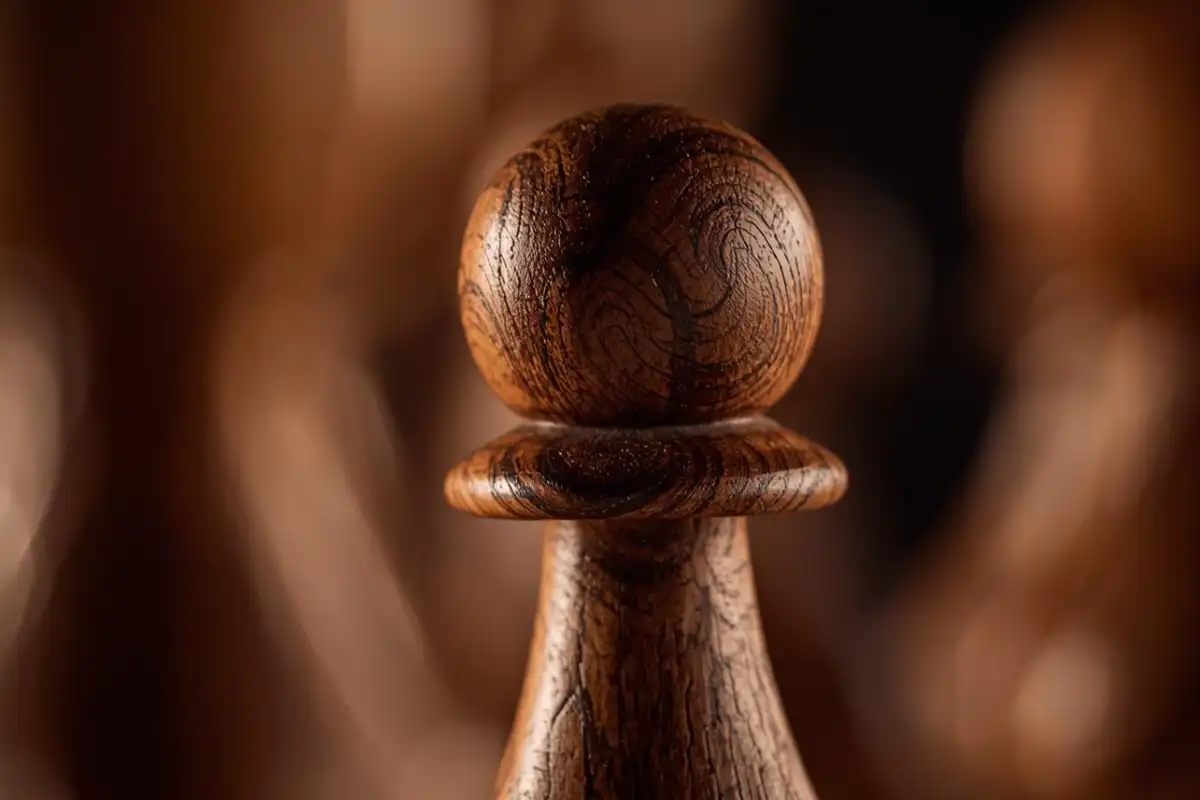
There is a quality in handmade objects that people feel before they can name it. A hand-turned chess piece carries tiny, deliberate decisions — where to ease an edge, how far to take a curve — that a person made in response to that particular piece of wood. The result is not imperfection; it is presence. You sense that a human being cared.
Made in response to the material
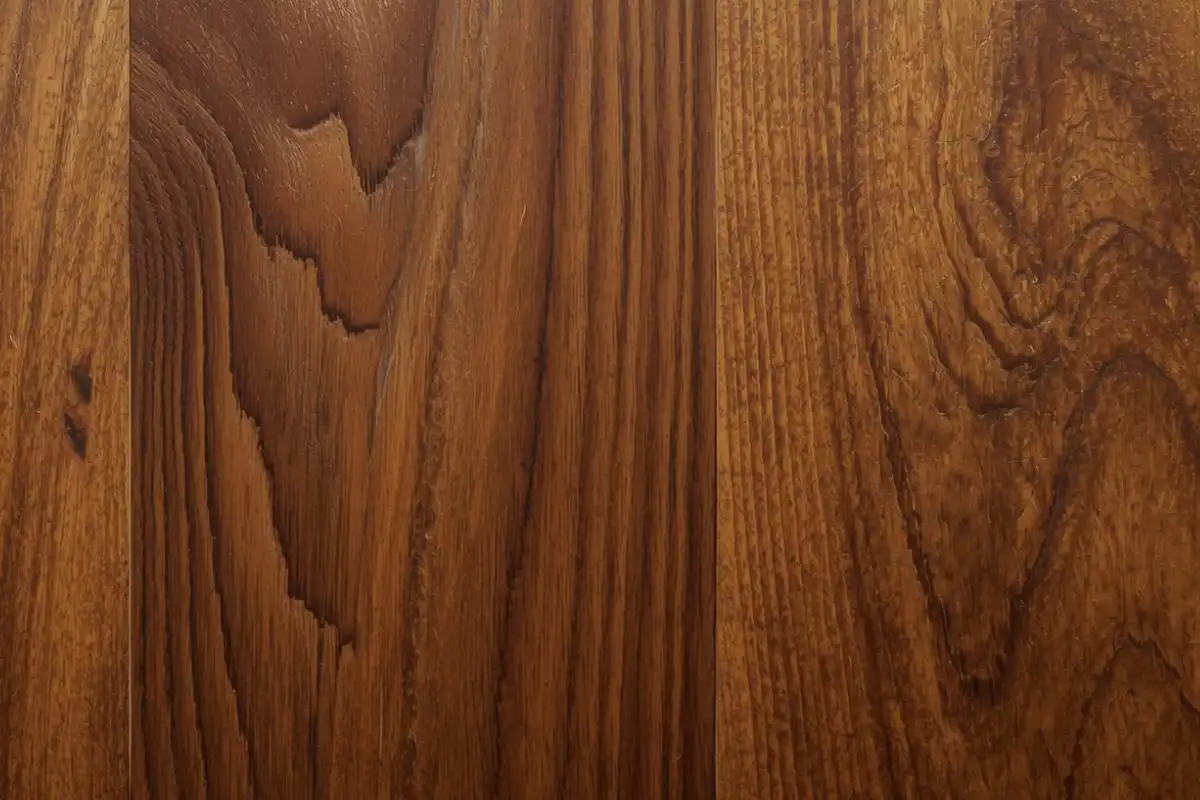
Solid wood is not uniform, and that is its gift. A skilled maker reads each board — its grain, its density, its small surprises — and works with it rather than against it. Automation flattens material into something predictable; craftsmanship lets the material speak. This is why no two of our pieces are the same, and why we would not want them to be.
Slower, and better for it
Handwork takes time, and time is exactly the point. Wood is selected, seasoned for months, shaped, and finished by hand — a rhythm that cannot be rushed without cost. That patience is what separates an object built to last from one built to sell. It is also why a handmade piece can be repaired, re-oiled, and kept for generations rather than discarded.
An investment in permanence
Buying handmade is a quiet decision to own fewer things, and better ones. A single well-made object, cared for, outlasts a dozen disposable ones — and, unlike them, grows more beautiful with age. In that sense, choosing the handmade is not nostalgia. It is a very modern kind of sense.
See how we work in our commissions process, or read about how wooden objects improve with age.
More from the Journal