Care · April 2026
How Wooden Objects Improve With Age
The quiet science of patina, and why a good object is never quite finished.
Most things we own are at their best on the first day. Fine wood is not.
A well-made wooden object is designed to change — slowly, gracefully, and for the better. The word for that change is patina, and it is one of the quiet pleasures of living with solid hardwood.
What patina really is
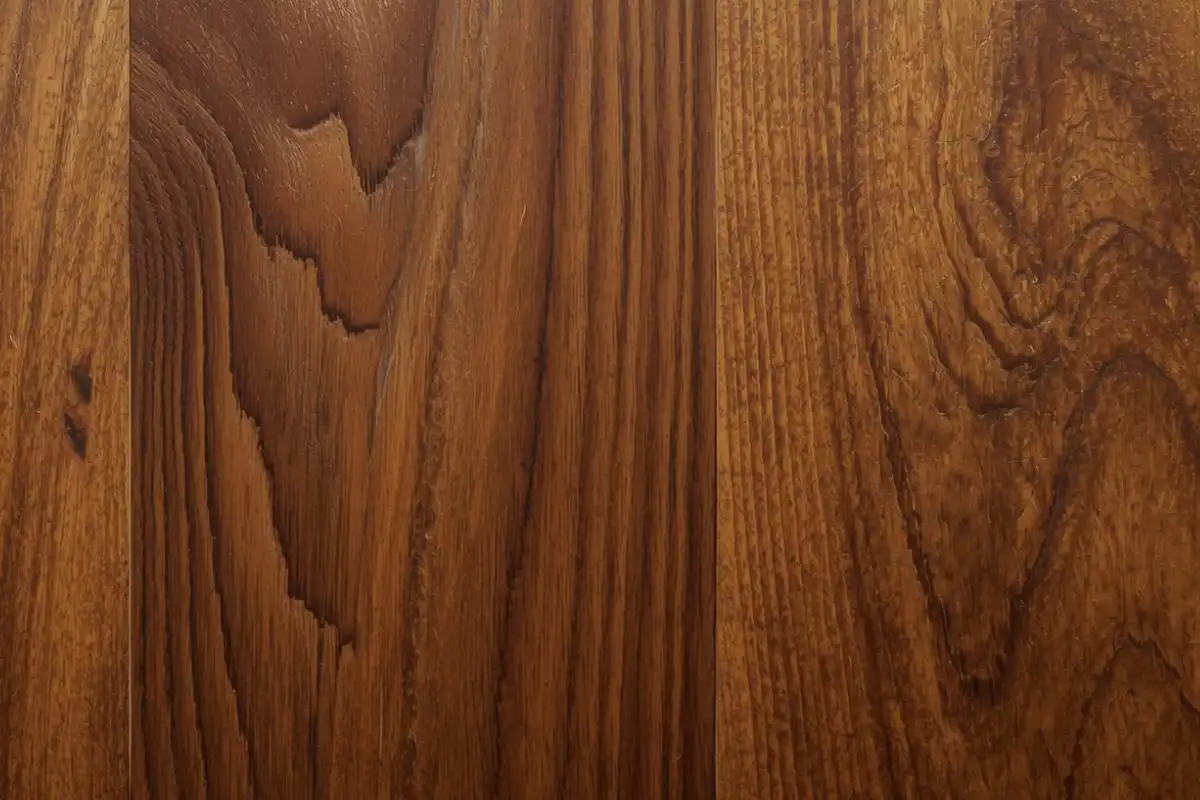
Patina is the sum of small events: the gentle oxidation of the wood in daylight, the oils from your hands, the soft polishing that comes from use, and the natural finishes that soak in over time. Together they deepen colour, add lustre, and round the hardest edges. A sheesham surface that begins honey-gold matures toward a richer chocolate; a pale oak warms to amber. None of this can be faked, because it is written by time.
Why solid wood, specifically
Only solid timber ages this way through and through. A veneer or a printed surface can only wear, never mature — scratches reveal a different material beneath. Because our pieces are solid hardwood, a mark is simply part of the surface, and can be oiled back into the whole. The object absorbs its history rather than being damaged by it.
How to help it along
- Use it. Handling is what builds patina; objects kept in boxes never develop character.
- Keep it from extremes — direct heat, radiators, and long hours of harsh sun, which can dry or fade the wood unevenly.
- Dust with a soft, dry cloth.
- Refresh with a natural wood oil once or twice a year, more often for pieces in daily use.
- Let small marks stay. They are the record of a life lived with the object.
An object that is never finished
Perhaps the deepest reason to choose fine wood is this: a good object is never quite finished. It keeps becoming — richer, warmer, more yours — for as long as you keep it, and then it begins again with whoever inherits it. Every LEGNORY piece is made with that long future in mind, and documented with a Certificate of Provenance so its story can travel with it.
Learn more about the woods we work or commission a piece of your own.
More from the Journal