
Materials · Dalbergia sissoo
Sheesham Wood (Indian Rosewood)
Deep chocolate tones, dramatic grain, and remarkable durability. Sheesham — Dalbergia sissoo — is the warm heart of the LEGNORY workshop.
Sheesham, known botanically as Dalbergia sissoo and commonly as Indian rosewood, is one of the world\'s great furniture hardwoods. It is the timber we return to most often, and for good reason.
Character and grain
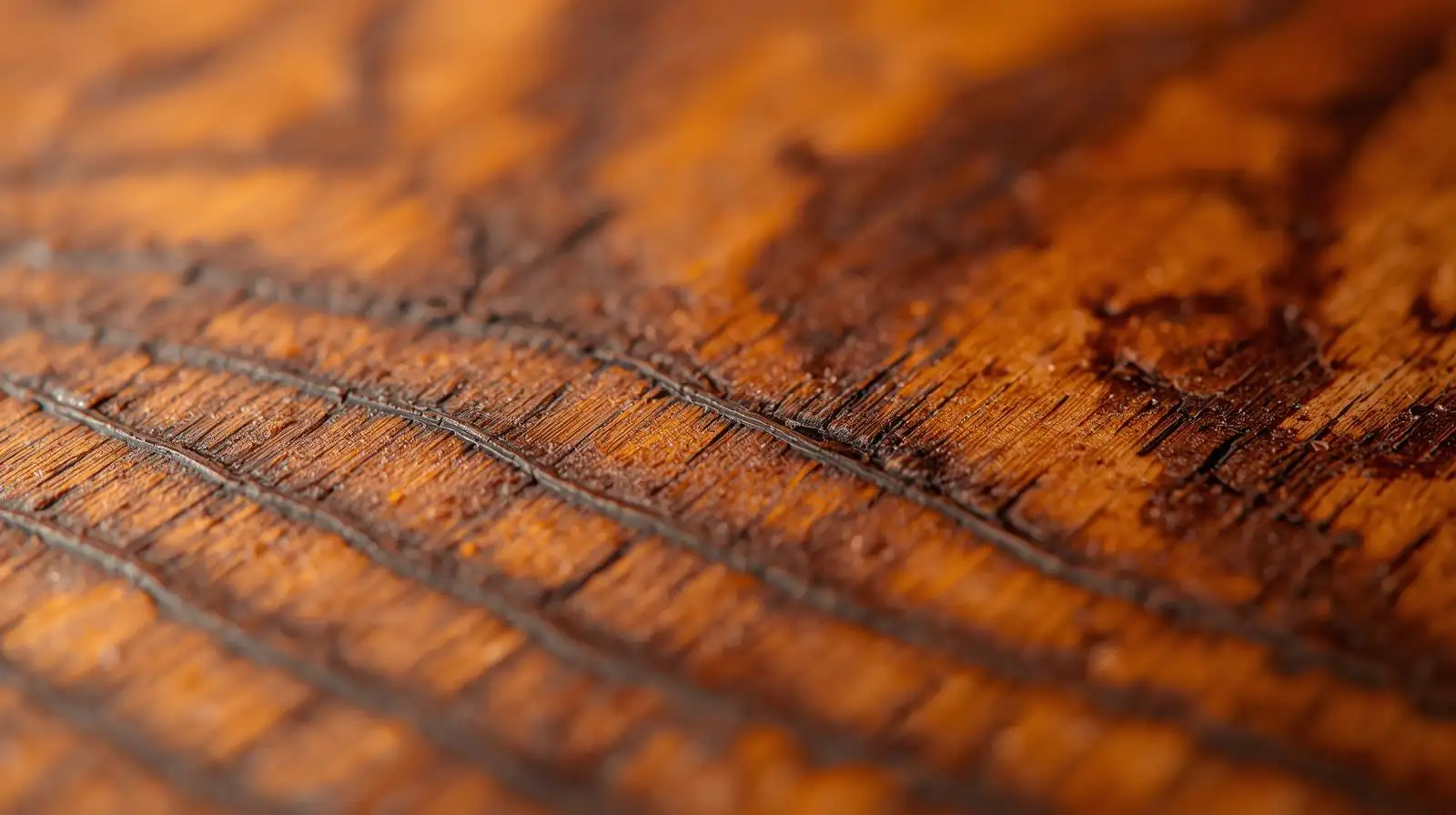
Sheesham is prized for its deep, warm colour — golden brown through to rich chocolate — and its dramatic, interlocking grain. No two boards are alike; the figure can shift from straight and calm to wild and rippling within a single plank. That variation is not a flaw but a fingerprint, and it is precisely why a sheesham piece feels alive.
Strength and durability
It is a dense, hard timber with excellent dimensional stability once properly seasoned, which is why it has been used for fine furniture and joinery for centuries. Well made and cared for, a sheesham object comfortably outlasts its first owner. Its density also makes it ideal for turned chess pieces, which need weight and a crisp, polishable surface.
How sheesham ages
Like all fine hardwoods, sheesham improves with time. Exposure to light and the oils of daily handling deepen its tone and lend the surface a soft patina that cannot be faked. Refreshed occasionally with natural oil, it only grows more beautiful.
Sustainability
Dalbergia sissoo is a fast-growing, widely cultivated species across the Indian subcontinent, often grown on farmland and used in agroforestry. We source from responsibly managed timber and use every usable part of the board, turning offcuts into living objects so little is wasted. For an authoritative botanical overview, see the Dalbergia sissoo entry on Wikipedia.
Working sheesham by hand
Density is a gift to the maker but a demand on the tools. Sheesham's hardness lets it hold a crisp edge and take a fine detail — essential for a well-turned knight or a mitred board corner — yet it must be worked patiently, with sharp tools and a light hand, or its interlocking grain will tear rather than cut cleanly. It is precisely this resistance that rewards skill: a piece finished well in sheesham has a depth and a polish that softer, quicker woods cannot match.
Seasoning: the patience the wood demands
Freshly sawn timber is full of movement. Before we shape a single piece, sheesham boards are seasoned for months, air-drying until the wood is stable enough to last generations without warping or splitting. This unhurried step is invisible in the finished object and essential to it; it is the difference between something built to sell and something built to keep. We choose only mature, slow-grown stock, read for grain, colour, and character before the first cut.
Where you will find sheesham at LEGNORY
Sheesham is the wood we reach for most across the workshop. It gives our chess collection its weight and warmth, anchors our game tables as furniture that commands a room, and, turned from the same rare timber, becomes the smaller living objects so that nothing is wasted. To have a piece made in a particular board of sheesham, begin a commission.
Sheesham in history and craft
Across northern India and Pakistan, sheesham has been the cabinetmaker's default for generations — used for everything from carved doors and temple screens to heirloom furniture passed between families. That long tradition matters: centuries of makers have learned exactly how the wood moves, how it takes a joint, and how it finishes. When we turn a chess piece or inlay a board in sheesham, we are working within a lineage, not experimenting with an unfamiliar material.
How sheesham compares
Against walnut, sheesham is generally darker and more dramatically figured, with a warmth that reads instantly as luxurious. Against oak, it is denser and richer, trading oak's pale, architectural openness for depth and gravity. It is often compared to teak for durability, but where teak is prized outdoors, sheesham's finer grain and colour make it the more refined choice for objects meant to be handled and admired indoors. For the light squares of a board or delicate inlay, we pair it with pale maple; for the rarest commissions, with rosewood.
Caring for sheesham
Keep pieces away from direct heat and prolonged sunlight, dust with a soft dry cloth, and refresh with a natural wood oil once or twice a year. Allow the wood to age; every mark is part of its story.
Explore sheesham in our chess collection and game tables, or commission a piece in the wood.
Questions
Frequently asked questions
Is sheesham the same as Indian rosewood?
Yes. Sheesham is the common name for Dalbergia sissoo, widely known as Indian rosewood — a dense, warm-toned hardwood used for fine furniture.
Is sheesham a sustainable wood?
Dalbergia sissoo is fast-growing and widely cultivated, often on farmland. LEGNORY sources responsibly managed timber and repurposes offcuts into smaller objects.
How do I care for sheesham furniture?
Keep it out of direct heat and sunlight, dust with a soft dry cloth, and refresh with natural wood oil once or twice a year.
Explore
Other woods we work
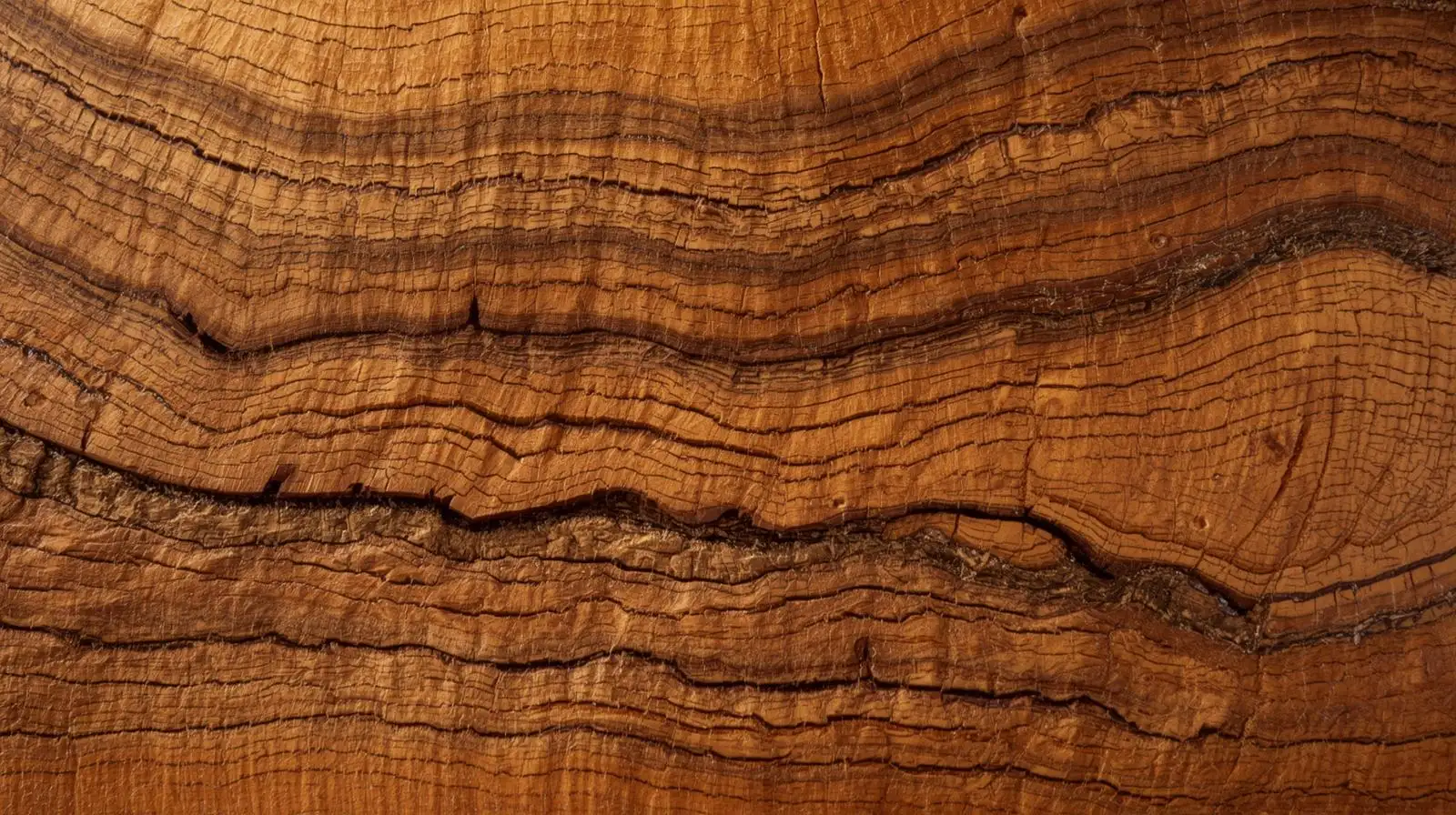
Walnut
Rich, chocolate-brown timber with a fine, rippling figure — prized for its depth and quiet, understated luxury.
Discover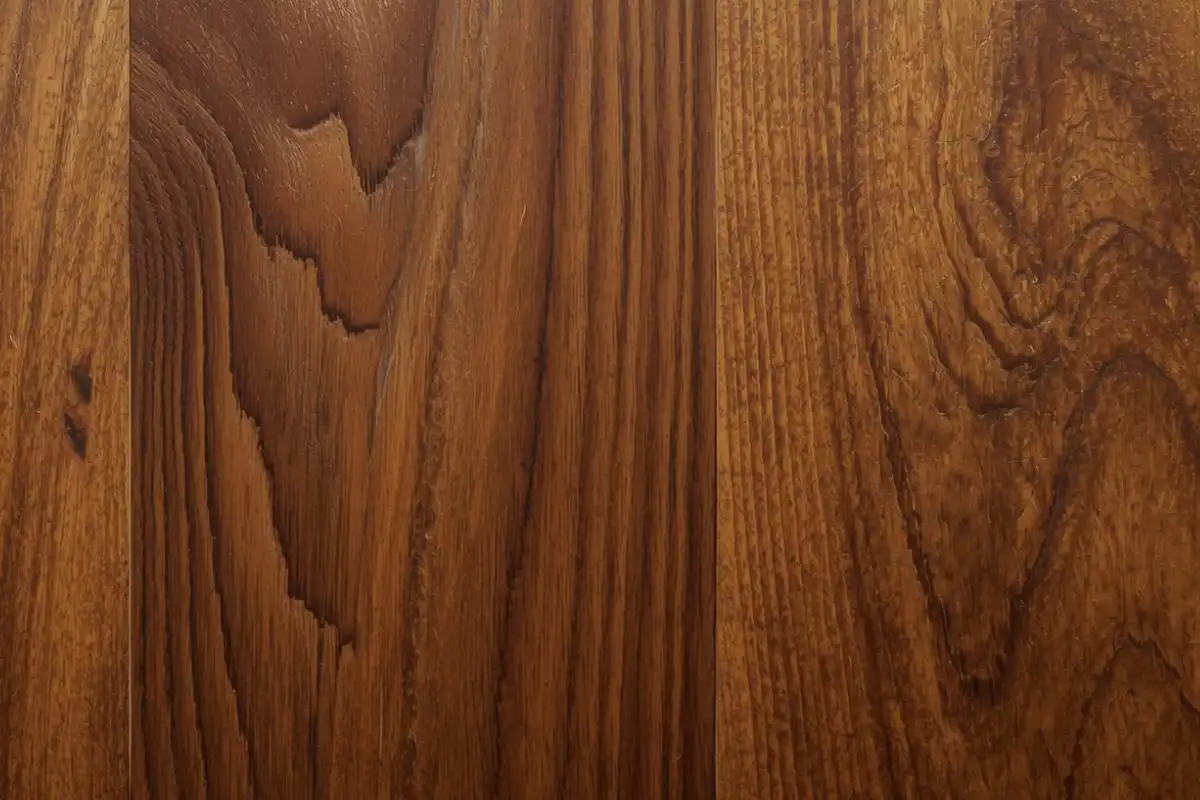
Oak
Pale, open-grained, and honest. Oak ages to a golden patina that only improves with years of handling.
Discover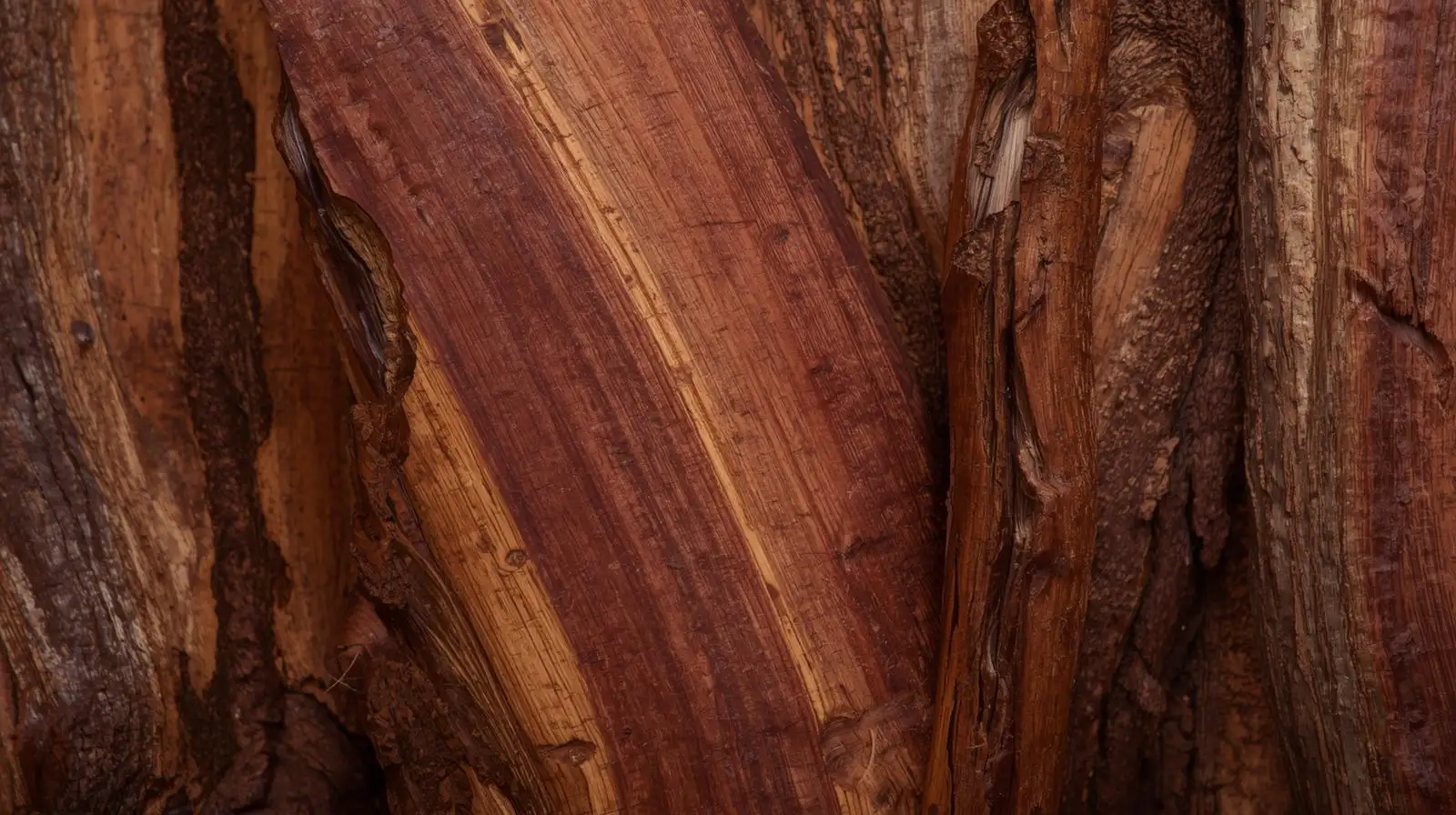
Maple
Bright, clean, and subtle — a canvas for precise detail, contrast squares, and fine inlay.
Discover