Materials · June 2026
The Beauty of Sheesham Wood
Why the deep grain of Indian rosewood has anchored fine craftsmanship for centuries.
Some woods are chosen for convenience. Sheesham is chosen for love.
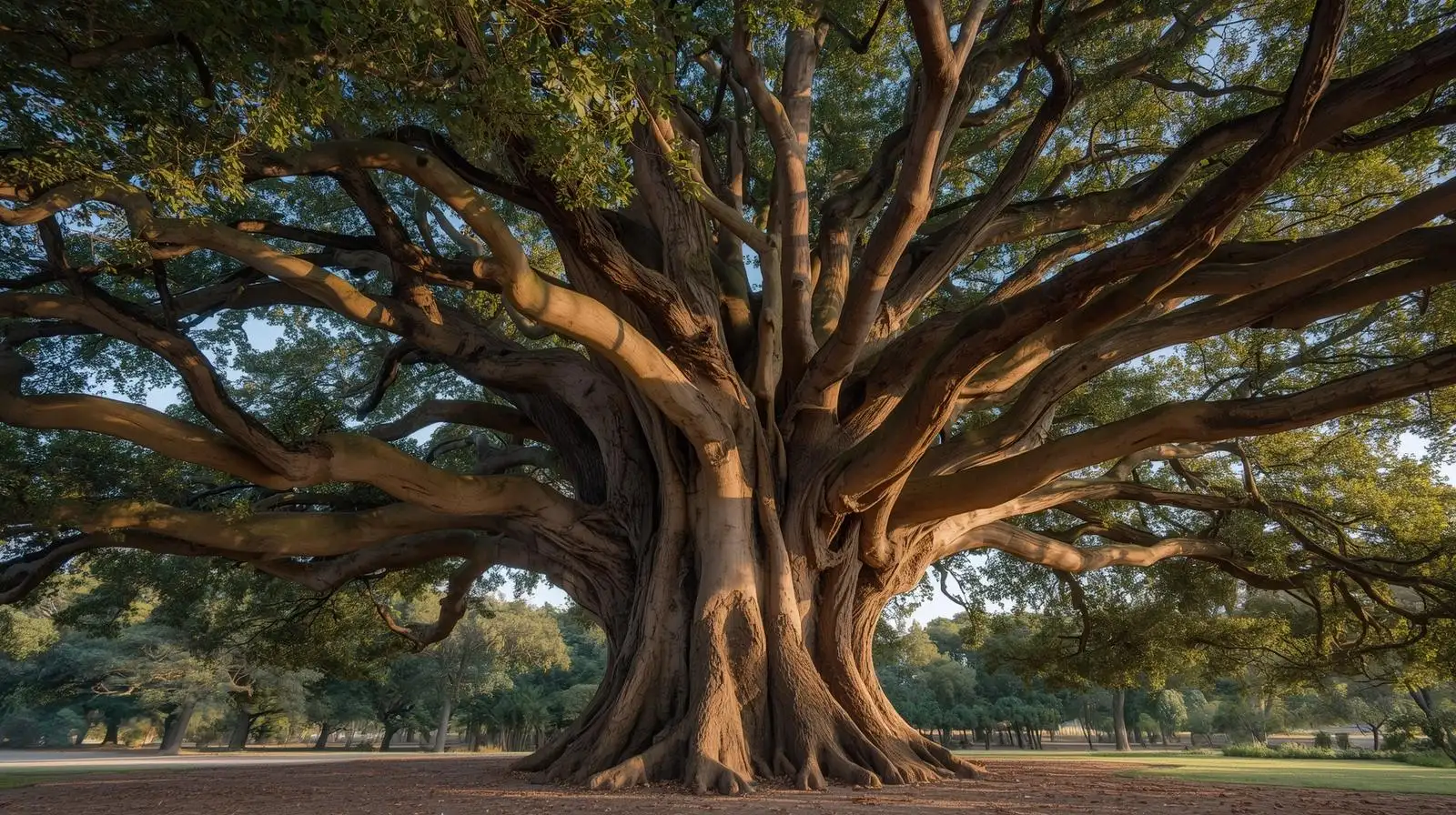
Known botanically as Dalbergia sissoo and commonly as Indian rosewood, sheesham has furnished homes, temples, and workshops across the Indian subcontinent for centuries. To hold a well-made sheesham object is to understand immediately why: it is warm, dense, and alive with grain that no manufactured surface can imitate.
A grain that tells a story
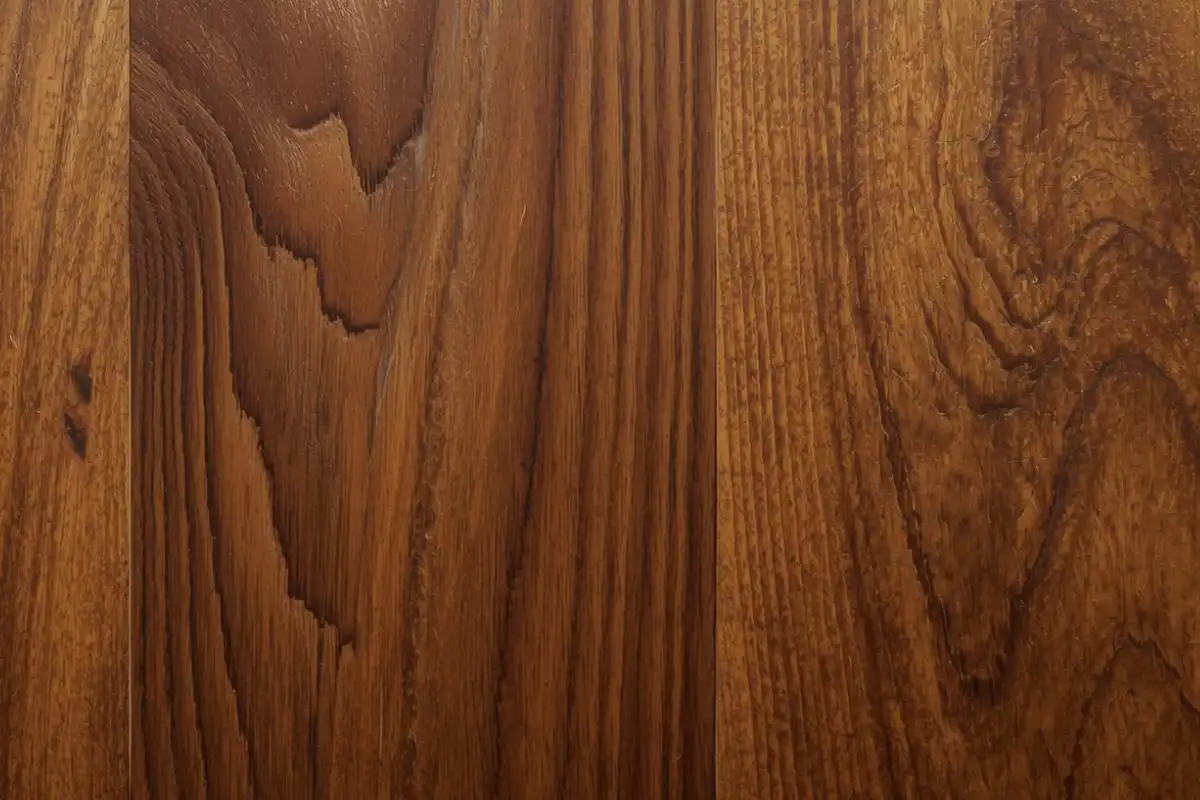
Sheesham's colour runs from honeyed gold to deep chocolate, often shifting within a single board. Its grain can be calm and straight or wild and interlocking, catching the light differently as you move around it. Because that figure is a record of how the tree grew — its seasons of drought and plenty — no two boards are alike. What some industries would call inconsistency, we call character.
Strength you can feel
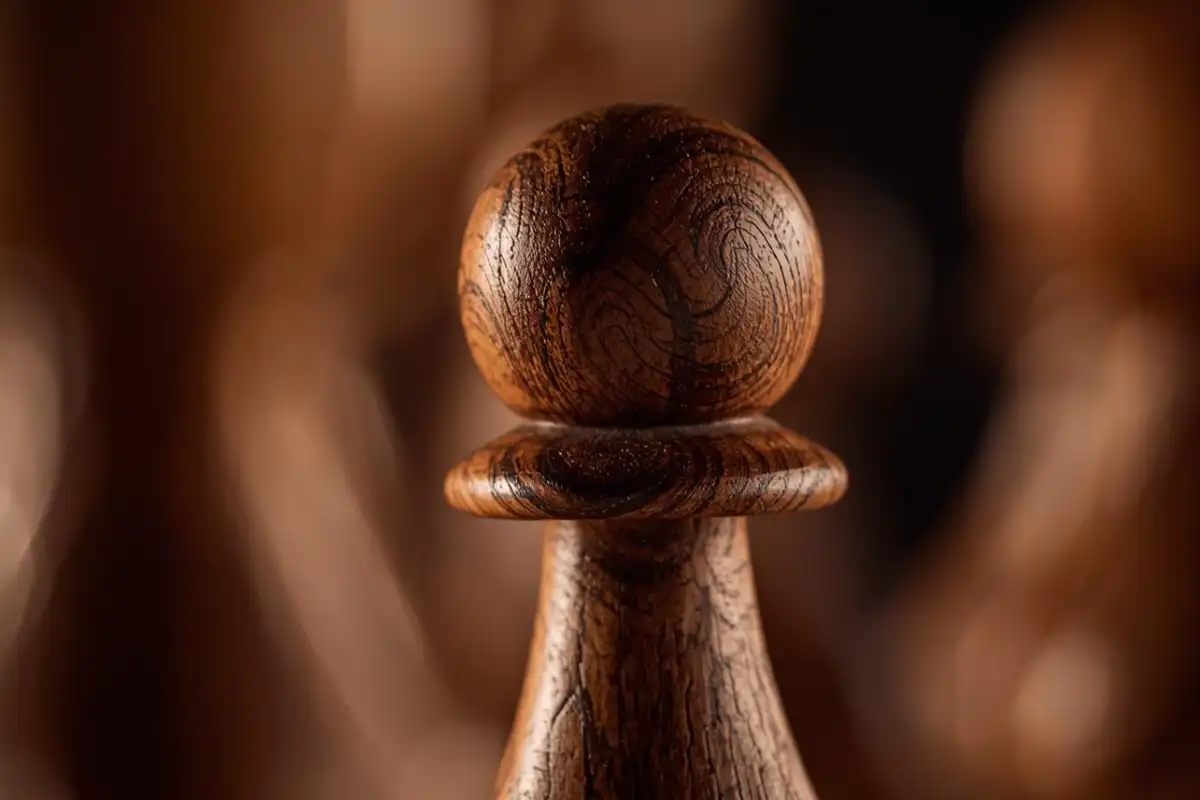
It is a genuinely hard, dense timber with excellent stability once properly seasoned. That density is why sheesham has been trusted for fine furniture and joinery for generations, and why it is ideal for turned chess pieces that need weight and a crisp, polishable surface. A sheesham table resists the knocks of daily life; a sheesham chess set has the reassuring heft of something built to be kept.
How it ages
Like all great hardwoods, sheesham improves with time. Light and the natural oils of handling deepen its tone and lend the surface a soft patina. A piece you use every day slowly becomes more beautiful than the day you received it — the opposite of almost everything else we buy.
Grown, not mined
Sheesham is fast-growing and widely cultivated, often on farmland and in agroforestry systems across India and neighbouring regions. That makes it one of the more responsible fine hardwoods available, and we use every usable part of each board, turning offcuts into smaller living objects so little is wasted.
Living with sheesham
Caring for it is simple: keep it away from direct heat and prolonged sun, dust with a soft dry cloth, and refresh with a natural wood oil once or twice a year. Beyond that, simply use it. Every mark it gathers is part of a story that will outlast us.
Explore sheesham in our materials guide, or see it at work across the collections.
More from the Journal